I launched my first Game Demo on Steam, built with Godot

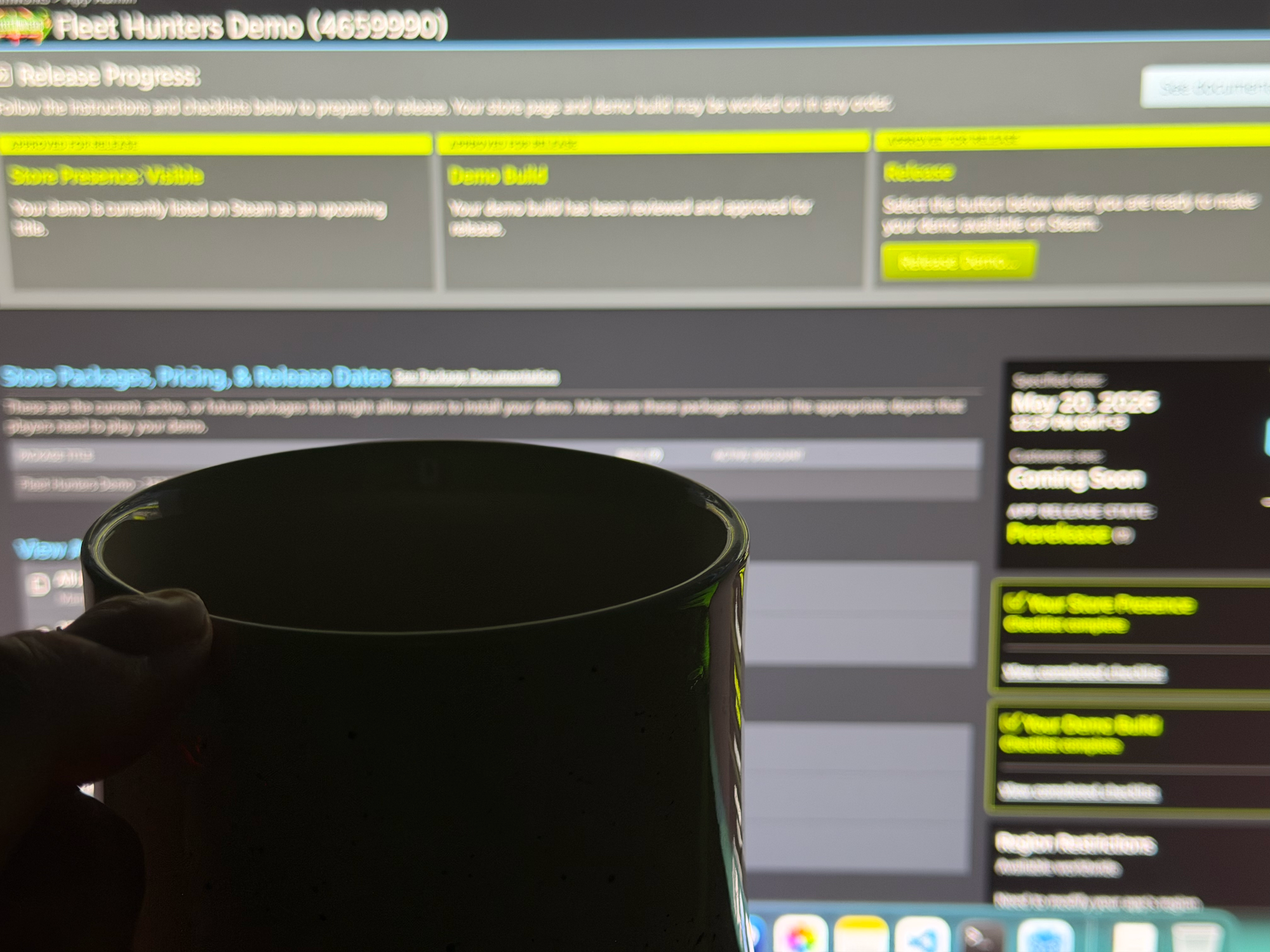
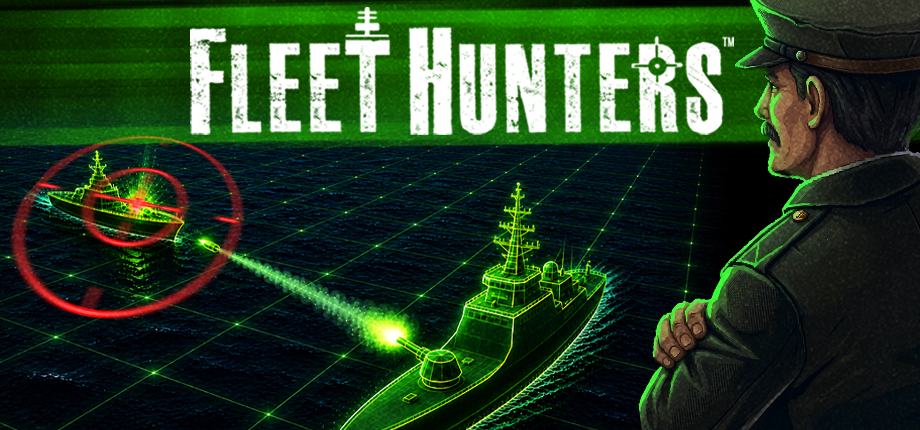
I recently launched the first demo for Fleet Hunters, my first Godot game planned for release on Steam.
Fleet Hunters is a reimagined, live-action version of the classic tabletop naval duel game: you place your fleet on a hidden grid, search for the enemy ships, and try to destroy them before they find and destroy yours.
It started as a hobby project. Over time, it became something much bigger: my first serious attempt at publishing a game on Steam.
And, as I’ve learned, game development is by far the most difficult and time-consuming hobby I have ever had.
It is also one of the most rewarding. Honestly!
Game Development is by FAR not "Just Coding"
Coming from a software development background, I expected programming to be the biggest part of the work, possibly but it is not!
Game development requires a very different mix of skills compared to most software projects. Yes, there is coding, architecture, debugging, optimization, and all the usual technical work. But that is only one part of the process.
You also have to think about:
- gameplay design
- user experience
- visual clarity
- animations
- sound effects
- performance
- balance
- feedback loops
- menus and settings
- onboarding
- marketing
- screenshots, trailers, store pages, demos, and playtests
In a regular software project, if something works correctly, you are often most of the way there.
In a game, it works is only the beginning.
It also has to feel good. It has to be readable. It has to look decent. It has to make sense to the player without too much explanation. It has to be performant, understandable, and enjoyable.
That combination is hard.
My demo for Fleet Hunters game is live but it's not done!
I’m happy that the demo is out, but I’m still not fully satisfied with it.
I’m continuously working on improving performance, visuals, gameplay, and the overall player experience. I’m not sure that process ever truly ends, but my current goal is to have a full-featured end game ready for release by the end of 2026.
One thing I learned quickly is that the final stretch of development is brutal.
That common saying about the last 1% taking 70% of the time feels painfully true in game development. The closer you get to something releasable, the more every small issue matters.
A small bug is no longer just a small bug.
A confusing button is no longer just a UI detail.
A rough animation is no longer something you can ignore.
A performance spike becomes something that can ruin the experience.
The game becomes real, and suddenly all the rough edges become much more visible.
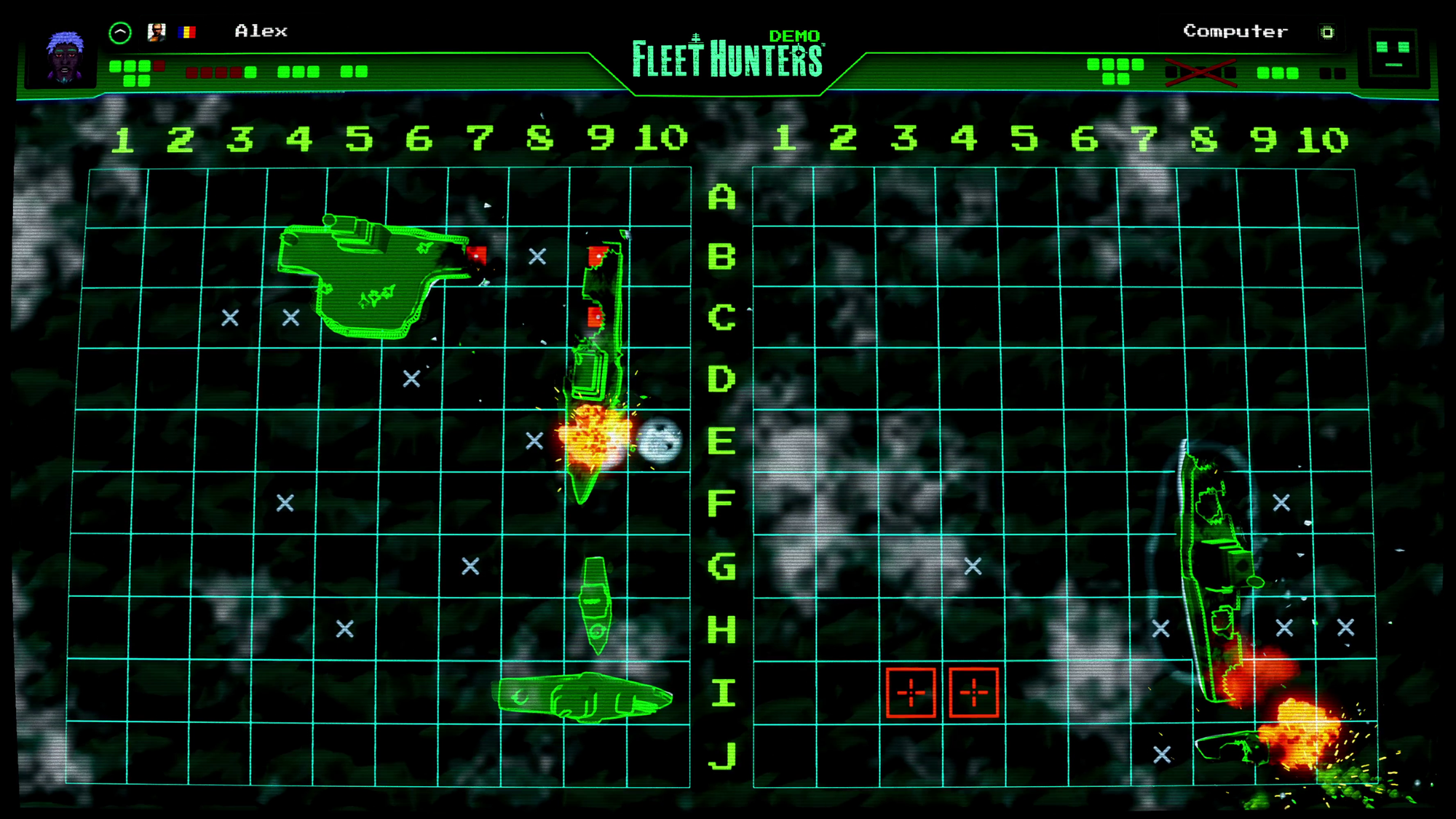
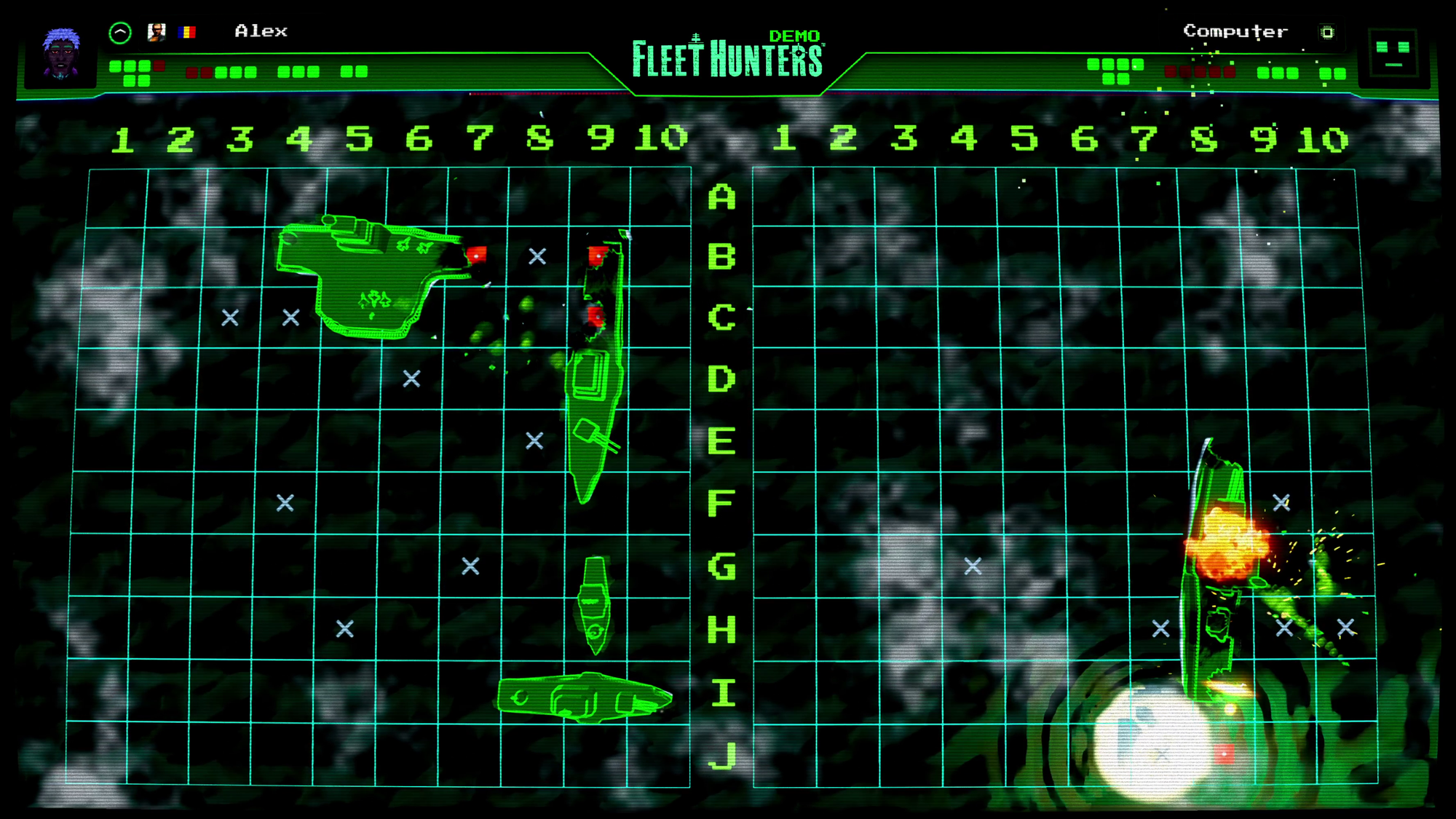
Fleet Hunters screenshots
Steam has been refreshingly Developer-Friendly
One of the more positive surprises has been Steam itself.
I’ve released apps on other platforms before, including Google Play and Apple’s App Store, and compared to those experiences, Steam has felt refreshingly flexible.
Deploying builds, updating the game, running playtests, publishing demos, and iterating quickly all feel much more indie-friendly than I expected.
That fast iteration loop matters a lot. When you are working alone, being able to update, test, fix, and push improvements without unnecessary friction makes a huge difference.
For an indie developer, especially a solo developer, Steam feels like a platform that understands iteration.
Telemetry and Crash Detection Are Essential
Another big lesson from launching the demo is how important telemetry and crash detection are.
Without them, you are basically blind.
You might know what happens on your own machine, but you do not really know what happens when other people play the game. You do not know where crashes occur, what performance looks like, where players get stuck, or what systems behave differently outside your development environment.
For crash detection, user feedback, and error tracking, I ended up using Sentry.io.
For gameplay and performance telemetry, I built my own small system called SSGT, which stands for Super Simple Game Telemetry.
The reason I built my own is simple: I could not find something that felt simple enough, affordable enough, and focused enough for a solo indie developer use case.
What I wanted was basic event tracking, basic performance monitoring, and simple A/B testing without needing a large analytics setup or an expensive service designed for bigger studios.
SSGT is still very early, but if it becomes polished enough, I may open source it.
Tracking wishlists
Since Fleet Hunters is coming to Steam, I also wanted a better way to monitor wishlist evolution.
For that, I’m using another tool I built and already published on GitHub: Steam Wishlist Pulse
 Alex Hortopan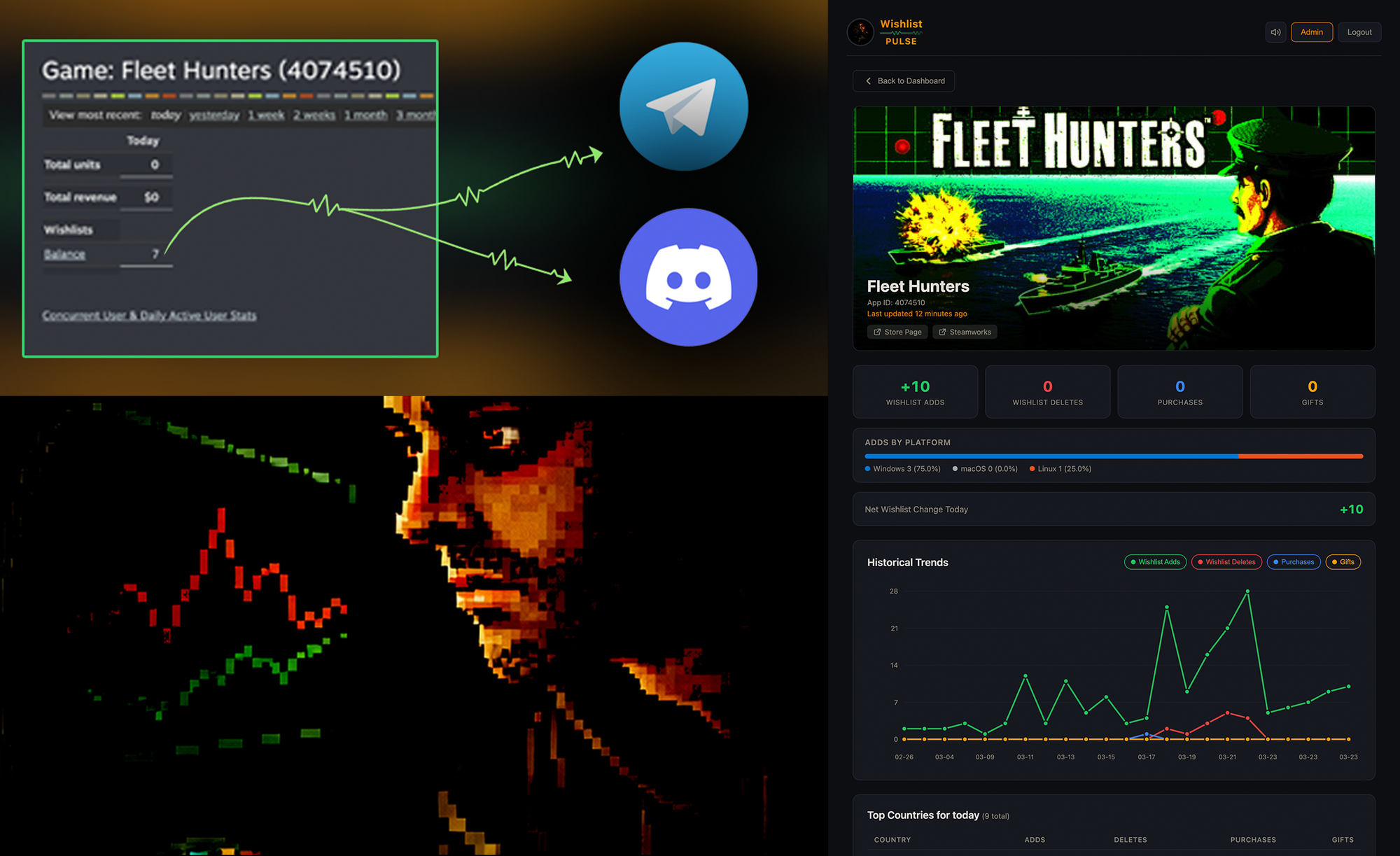
It helps track how wishlists evolve over time, which is especially useful when testing store page changes, demo visibility, festivals, posts, updates, and marketing beats.
For an indie game, wishlists are one of the clearest signals you have before launch. They do not tell the whole story, but they are still incredibly useful for understanding whether the game is gaining traction.
What I Learned So Far
Launching the first demo of Fleet Hunters taught me a lot.
It taught me that game development is harder than I expected, even with many years of software development experience. It taught me that Steam is a surprisingly pleasant platform to work with. It taught me that telemetry, crash reports, and player feedback are not optional extras. They are essential tools.
Most of all, it taught me that finishing a game is very different from starting one.
Starting is exciting.
Prototyping is fun.
Getting something playable is motivating.
But polishing, fixing, optimizing, packaging, explaining, marketing, and releasing the game is where the real work begins.
Fleet Hunters is still a work in progress, but launching the demo was a big milestone for me.
It is my first Godot game headed for Steam, my first serious game release, and the start of a much longer journey.
There is still a lot to improve, but the demo is out, the game is real, and I’m learning more with every update.
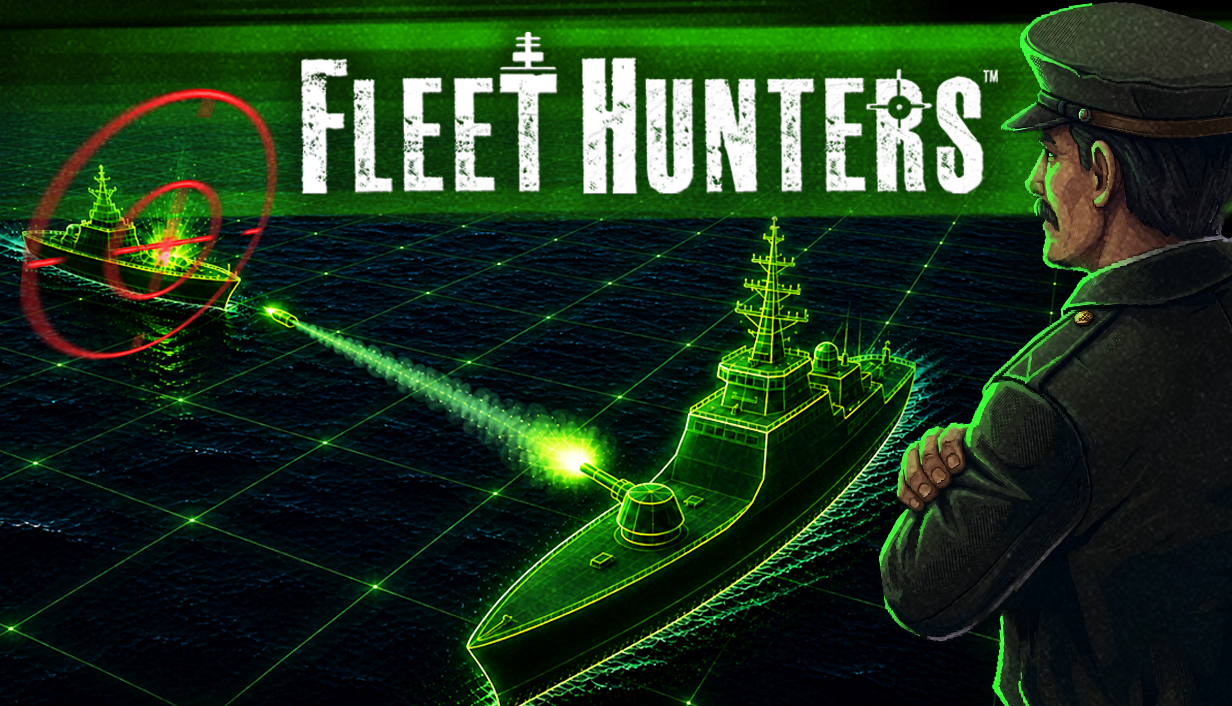
Wishlist Fleet Hunters on STEAM